
The Children’s Lives in Exile
The Glass RoomThis flow traces how the children and their caregivers create routines after flight, while the lost household remains present in their relationships.
increasing Bearing strength in each event
 decreasing
Bearing strength in each eventdecreasingA Childhood in a New Country
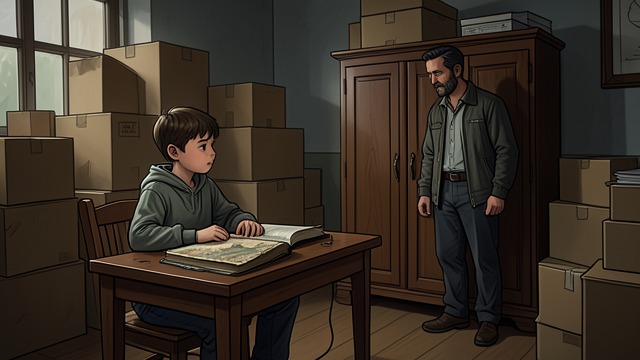
Making a Daily Life
School and routine
Ottilie and Martin find schools and adapt to a new environment. Daily routines give the family some stability while the adults negotiate work and immigration.
The children’s capacity to adjust helps the household continue.
Memory beneath adaptation
Their new life does not erase the original home. The children carry memories of the Glass Room, even as those memories become less precise with time.
Katalin as Caregiver
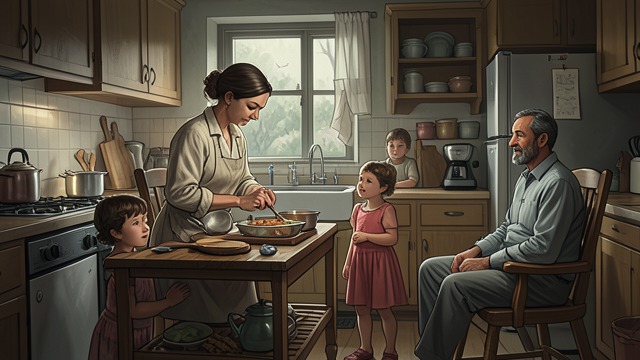
Care Across Unequal Roles
A household place
Katalin helps care for the children and becomes part of the daily household. Marika grows close to Ottilie, while Martin also seeks Katalin’s attention.
The arrangement offers the refugees security and gives the children continuity.
Emotional complications
Katalin is both employee and intimate presence, and her relationship with Viktor changes how others understand her role. Liesel must hold gratitude, suspicion, and affection together.
Learning a New Language
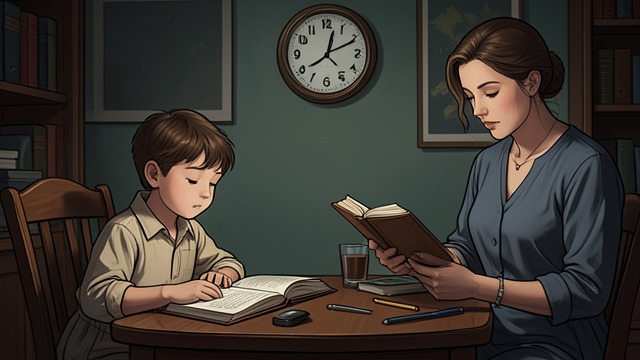
The Next Generation Adapts
English lessons
The family begins learning English as Viktor prepares for a new life overseas. Language becomes a practical tool for the children’s future and a sign that return to Europe may not be possible.
Their education continues even as the adults remain uncertain about destination and timing.
Change without closure
Learning a new language helps create a future, but also marks distance from the language and culture of the home they left. Adaptation and loss proceed together.
Hana as Godmother
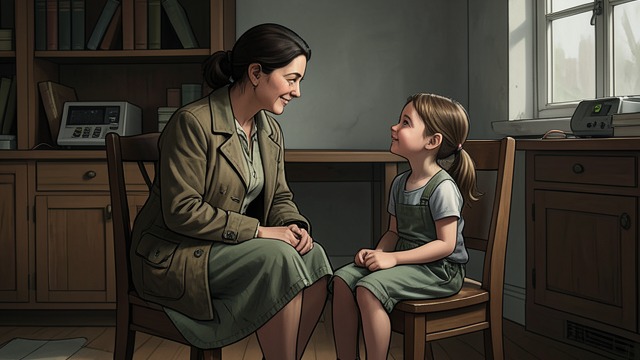
A Chosen Kinship
A family role
Hana becomes Ottilie’s godmother despite Viktor’s doubts about her unconventional life. She takes the role seriously and later expresses love for the children as well as for Liesel.
Her bond with Ottilie extends the family beyond biological ties.
Separation does not erase care
Even across exile and decades, Hana remembers her goddaughter. The relationship gives the children a living link to the world they left behind.
The Adult Return

Childhood Becomes Testimony
A grown daughter returns
Ottilie returns to the house as an adult and confronts the difference between childhood memory and present scale. The rooms she remembers as immense appear smaller, altered, and public.
Her presence helps connect past residents with people who knew the building later.
Recognition and continuity
Ottilie recognizes Marie Delmas as the child who shared the household. Their reunion reveals that childhood attachments can survive long separation, though neither can restore the years that were lost.
After the family reaches Switzerland
During the family’s first years of exile
During the family’s preparations for America
From Ottilie’s baptism through the later letters
During the 1990 visit to Město
